
5 Mistakes People Make When Booking Christmas Party Catering
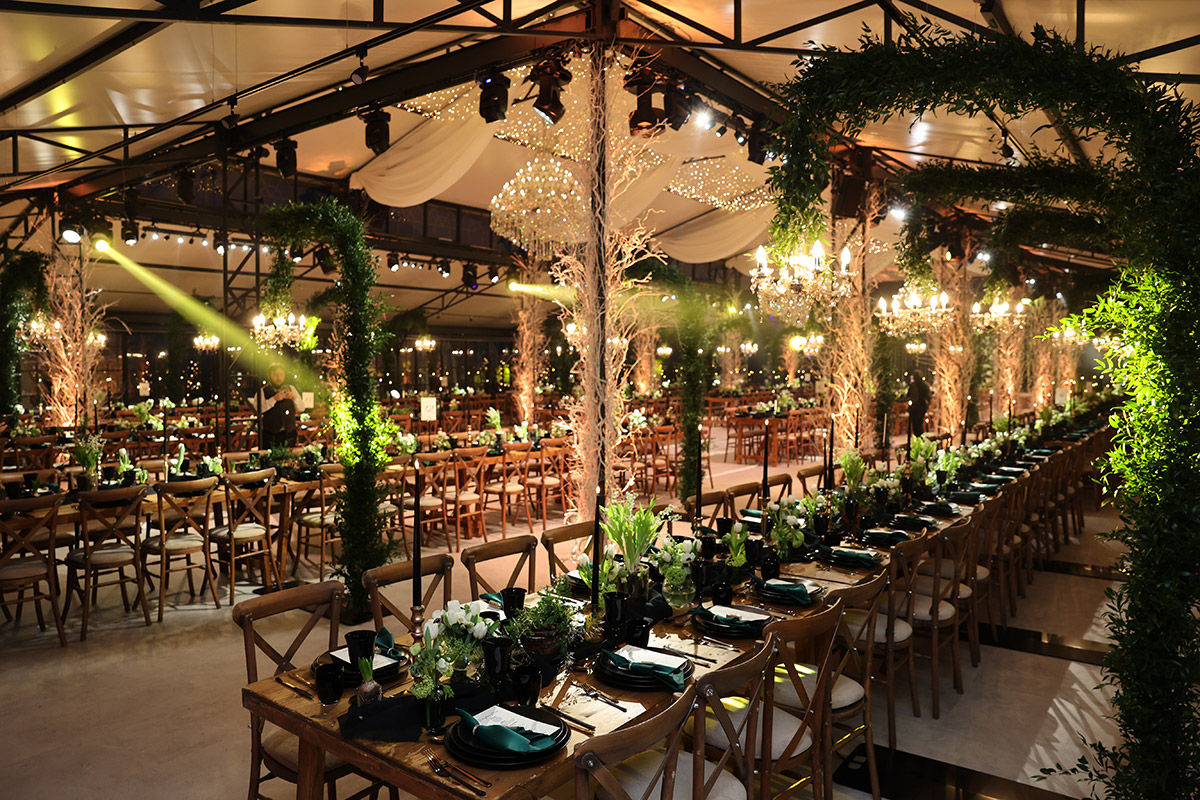
You’ve been tasked with organising this year’s office Christmas party. The venue is sorted, invitations are going out, and everything seems under control. Then you remember: the food. Suddenly you’re scrolling through catering websites at 11pm, wondering why there are so many options and whether you’ve left it too late.
If this sounds familiar, you’re not alone. Christmas party catering trips up even experienced event organisers every year. The good news? Most disasters are entirely preventable when you know what to watch for. Let’s walk through the five most common mistakes people make when booking corporate Christmas catering, and more importantly, how to avoid them.
Mistake 1: Leaving Christmas Catering Too Late
Picture this: it’s mid November, you finally have budget approval for the Christmas party, and you start reaching out to caterers. Three are fully booked. Two more can squeeze you in but only if you accept their set menu with no modifications. The one caterer who says yes quotes double their usual rate because it’s now peak season.
This scenario plays out in offices across the UK every December, and it’s completely avoidable.
Why Timing Matters More Than You Think
Christmas is the busiest period of the year for corporate caterers. Quality suppliers are booking events from September onwards, sometimes even earlier. By the time November arrives, the best caterers have already allocated their kitchen capacity, staff rotas and premium ingredients to clients who booked months ago.
Leaving it late doesn’t just limit your choices. It forces you into accepting whatever is available rather than what’s actually right for your event. You’ll have less negotiating power on price, fewer menu options and almost no flexibility if your plans change.
When You Should Actually Book
Start your catering search in September or early October at the latest. Yes, that feels absurdly early when Halloween hasn’t even happened yet, but this timeline gives you breathing room to research properly, schedule tastings, compare quotes and secure your preferred date and menu before the Christmas rush hits.
If you’re already reading this in late November or December, don’t panic. Some caterers keep capacity for last minute bookings or cancellations. Be honest about your timeline, stay flexible on menu choices and be prepared to pay premium rates. You might also consider hybrid catering solutions: order cold canapés and salads from a caterer who has capacity, and supplement with hot dishes from a separate supplier.
For those planning ahead, visit our guide on stress free catering at large corporate functions for detailed timeline advice that works year round.
Mistake 2: Forgetting Dietary Requirements and Allergies
Few things ruin a Christmas party faster than realising you’ve ordered a meat heavy buffet for an office where half the team is vegetarian, or watching a colleague with a severe nut allergy anxiously navigate unlabelled dishes.
Dietary requirements aren’t an afterthought or a nice bonus. They’re a legal responsibility under food safety law and, more importantly, a basic matter of inclusion and respect.
The Real Cost of Getting This Wrong
Beyond the immediate embarrassment of colleagues going hungry, failing to accommodate dietary needs properly can have serious consequences. Allergen incidents can lead to medical emergencies. Excluding people based on their dietary requirements, whether religious, medical or ethical, creates an uncomfortable atmosphere and sends a message that they don’t fully belong.
Your Muslim colleagues shouldn’t have to skip the meal because nothing is halal. Your vegan team members shouldn’t be left with plain salad while everyone else enjoys a feast. People with coeliac disease shouldn’t have to interrogate stressed serving staff about cross contamination.
How to Get It Right
Send a dietary requirements form with your party invitation, not as an afterthought a week before. Ask specifically about allergies, intolerances, religious requirements (halal, kosher), vegetarian and vegan preferences, and any other dietary needs. Make it clear this isn’t optional information and that you’ll use it to ensure everyone can eat safely and enjoyably.
When briefing caterers, don’t just mention there are “a few vegetarians.” Provide exact numbers and specifics. A professional caterer should ask detailed questions about allergens and cross contamination protocols, maintain comprehensive ingredient lists, and be able to suggest inclusive menu options that work for diverse dietary needs.
At By My Lahore, we routinely cater for multicultural workforces with complex dietary requirements. A well planned menu means your halal options aren’t just acceptable but genuinely exciting, your vegan dishes are substantial and flavourful, and your gluten free alternatives don’t taste like compromise. Our menu includes dishes like Chicken Tikka Masala, Paneer Tikka, Daal Makhani and Mixed Vegetables that naturally accommodate multiple dietary requirements without feeling like “special meals.”
For more detailed guidance, check out foods that keep delegates focused at conferences, which covers inclusive menu planning in depth.
Mistake 3: Choosing Food That Does Not Suit Your Event Style or Venue
The menu looks amazing on paper. Then the food arrives and reality hits: you’ve ordered a formal plated meal for a standing reception with no tables, or delicate canapés that require both hands for an event where everyone is holding drinks, or a hot buffet for a venue with no warming facilities.
Matching Food to Format
Your catering needs to match how people will actually eat. Standing receptions need one handed finger food that doesn’t drip or require cutlery. Cocktail Samosa, Chicken Tikka skewers, Paneer Tikka and Mozzarella Cheese Sticks work brilliantly because guests can eat whilst mingling. Sit down meals allow more complex dishes and shared platters.
Think about the venue practicalities too. Does the space have kitchen facilities, or will everything need to arrive ready to serve? Is there refrigeration for cold items? Power points for hot holding equipment? Adequate surface space for a buffet setup? If you’re using an unusual venue like a warehouse or outdoor marquee, these logistical questions become even more critical.
Considering Your Company Culture
A startup with a casual culture might love street food style stations and interactive elements. A law firm’s client event probably calls for more refined options. Consider whether your team will appreciate adventurous fusion cuisine or prefer familiar crowd pleasers.
Budget conscious? You don’t need expensive ingredients to impress. Well executed comfort food often lands better than mediocre “fancy” catering. Dishes like Chicken Tikka Masala, Sindhi Biryani, Pilau Rice, fresh Naan and vibrant salads like Fattoush create an abundant, celebratory feel without breaking the budget.
Our corporate catering ideas guide explores different event formats and what works for each, with plenty of practical examples.
Mistake 4: Underestimating Guest Numbers or Portion Sizes
You’ve invited 80 people. Experience says about 60 will actually show up. So you order for 65 to be safe. Except this is the Christmas party, and 78 people turn up because everyone loves free food and festive celebrations. By 7pm, the buffet is stripped bare and latecomers are left with scraps.
Alternatively, you over cater wildly, end up with mountains of waste, and blow your budget on food that goes straight in the bin.
The Numbers Game
For Christmas parties specifically, expect a higher attendance rate than regular work events. The combination of festive spirit, free food and social pressure means people show up. Plan for 85 to 90 percent of invited guests rather than the usual 70 percent.
When discussing portion sizes with caterers, clarify whether they’re quoting based on “catering portions” (which can be modest) or generous servings. For an evening party that’s the main meal, people need substantial portions. If your event runs from 6pm to 10pm and you’re only serving canapés, hunger will become the main topic of conversation by 8pm.
Getting Quantities Right
A good rule for evening buffets: plan for each guest to have one starter or canapé selection, a generous main course portion (roughly 200 to 250g protein plus sides), and dessert. For canapé receptions, budget for 8 to 12 pieces per person for a 2 hour event, more if alcohol is flowing freely.
Build in a small buffer (5 to 10 percent extra) but avoid wild over ordering. Discuss with your caterer what happens if numbers change last minute. Most require final confirmations 48 to 72 hours before the event and will accommodate small increases if given notice.
Mistake 5: Overlooking Delivery Times, Setup and Service Logistics
You’ve chosen the perfect menu. The caterer seems reliable. Then on the day, the food arrives during your CEO’s keynote speech, the delivery driver can’t find parking, and nobody realised the buffet setup would take 45 minutes, leaving guests standing around hungry while staff frantically arrange platters.
Why Logistics Derail Even Good Plans
Catering isn’t just about food quality. It’s about timing, coordination and smooth execution. These operational details make the difference between a seamless event and a stressful scramble.
Professional caterers should ask detailed questions about venue access, delivery times, setup space, available facilities and your event timeline. If they don’t ask these questions, that’s a red flag.
Questions to Ask Your Caterer
Confirm exactly when food will arrive and how long setup takes. If your party starts at 6pm and guests will be hungry, you need food ready to serve by 6pm, which means setup probably needs to start by 5pm or earlier depending on complexity.
Clarify what’s included in the quote. Does the price cover serving staff, or just delivery and setup? Who provides serving equipment, chafing dishes, plates and cutlery? Who handles clearing and cleaning afterwards? These details often hide in the fine print and can significantly affect your actual costs.
Discuss contingency plans. What happens if traffic delays the delivery? If more guests arrive than expected? If someone has an allergic reaction? A professional caterer will have protocols for these situations.
Ask about insurance and certifications. Reputable caterers carry public liability insurance (typically £5 million coverage), hold current food hygiene certificates (look for a rating of 4 or 5), and can provide documentation on request. These aren’t just bureaucratic checkboxes; they protect you if something goes wrong.
For venue specific considerations, explore our corporate venues guide which covers how different spaces affect catering logistics.
How to Choose a Christmas Caterer You Can Trust
Beyond avoiding these five mistakes, look for positive trust signals when selecting your caterer. Read recent reviews and ask for references from similar corporate events. Request a tasting before committing to large orders. Review the contract carefully, paying particular attention to deposit amounts, cancellation policies, what happens if numbers change, and whether VAT is included in quoted prices.
At By My Lahore, our experienced team has catered hundreds of corporate Christmas events. We understand the pressure you’re under to deliver a successful party, and we’ve seen every possible complication. That experience means we ask the right questions upfront, plan for contingencies and execute smoothly on the day.
Visit our FAQs for answers to common corporate catering questions, or make an enquiry to discuss your Christmas party requirements.
Your Christmas Party Catering Checklist
To help you avoid these common mistakes, here’s a quick reference checklist for booking corporate Christmas catering:
8 to 10 Weeks Before Contact caterers, schedule tastings, compare quotes and menus, check certifications and insurance
6 Weeks Before Book your chosen caterer, sign contract, pay deposit, send dietary requirements form with invitations
3 Weeks Before Confirm menu details, discuss venue logistics and timeline, review allergen information and labelling plans
1 Week Before Provide final guest numbers, confirm delivery time and setup requirements, share venue access details and contacts
48 Hours Before Final confirmation call covering any last minute changes, weather contingencies if relevant, emergency contact numbers
For additional corporate event planning guidance, our article on fundraisers and charity events covers many similar logistical considerations that apply to Christmas parties.
Making This Christmas Party Your Best Yet
Christmas party catering doesn’t have to be stressful. When you start early, communicate clearly about dietary needs, match your menu to your event format, get quantities right and nail down the logistics, you set yourself up for an event people will remember for the right reasons.
Your colleagues will remember the delicious Sindhi Biryani, the generous spread of canapés during drinks, the fact that everyone could eat something, and most importantly, the relaxed, inclusive atmosphere where they could simply enjoy celebrating together.
Remember, you’re not just feeding people. You’re creating an experience that says “we value you” to your team. That’s worth getting right. For more inspiration on impressive corporate catering, explore our corporate catering ideas that always impress.
Ready to book stress free Christmas party catering that avoids all these pitfalls? Get in touch to discuss your event, schedule a tasting, or request our detailed planning checklist. We’ll make sure this year’s party is one your team talks about until next Christmas.