
7 Festive Menu Trends Companies Are Choosing for 2025
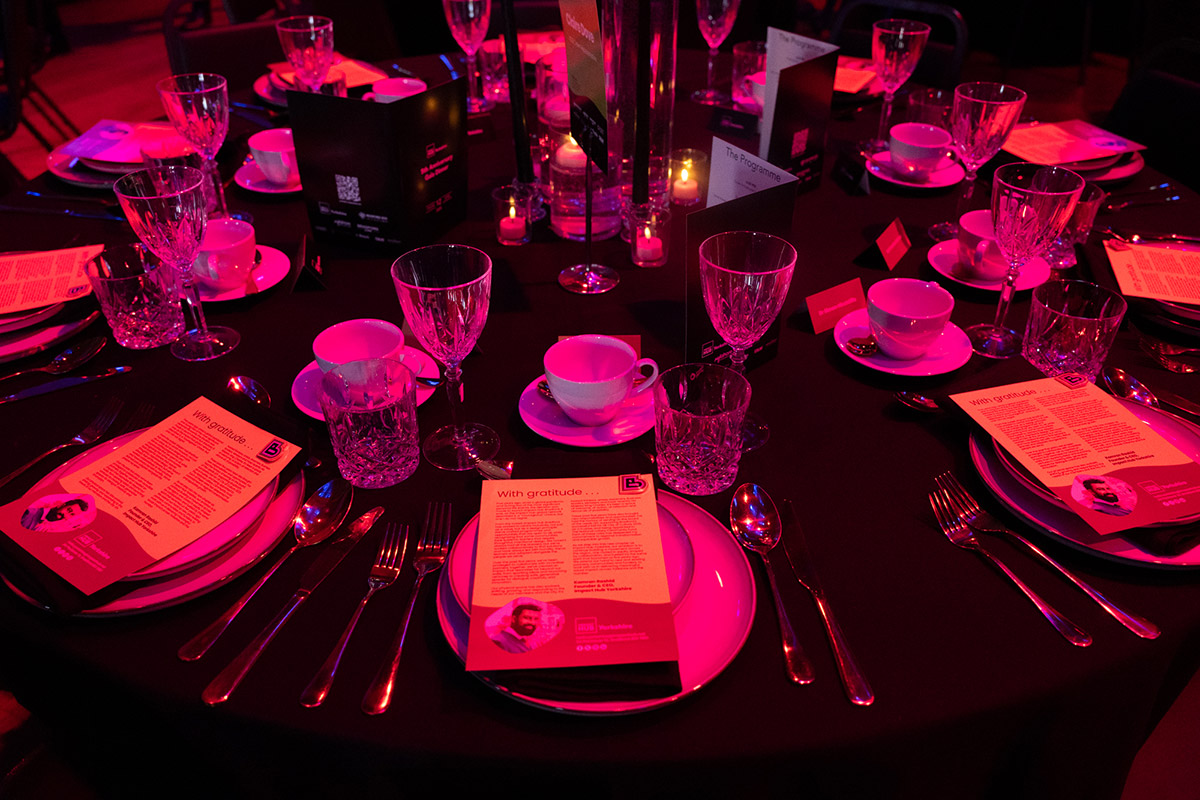
Corporate event planning looks different in 2025. Sustainability matters more than ever. Dietary inclusivity isn’t negotiable. Employees expect experiences that reflect their values, not just free food and awkward small talk. And somehow, you’re supposed to deliver all this whilst staying within budget and managing the logistics of hybrid teams.
The good news? This year’s festive menu trends aren’t about expensive gimmicks or complicated concepts. They’re about smart choices that align with what companies and their teams actually want: authentic flavours, inclusive options, minimal waste and genuine celebration.
Let’s explore the seven festive menu trends that forward thinking companies are embracing for their 2025 events, and more importantly, how you can implement them practically.
1. Plant Based Menus Take Centre Stage
Walk into any corporate Christmas event in 2025 and you’ll notice something striking: the vegetarian and vegan options aren’t tucked away apologetically at the end of the buffet. They’re centre stage, and they’re disappearing fast.
This shift isn’t just about accommodating dietary requirements anymore. It’s about recognition that plant based food, when done well, tastes exceptional and appeals to everyone, not just vegetarians and vegans. Companies are discovering that showcasing dishes like Paneer Tikka, Daal Makhani, Aloo Gobhi, Achari Mixed Vegetables and Palak genuinely impresses guests whilst naturally accommodating multiple dietary needs.
The environmental angle resonates strongly too. Many organisations have sustainability commitments, and reducing meat consumption at events demonstrates those values tangibly. When your plant based options are abundant, flavourful and beautifully presented, you’re making a statement about priorities without preaching.
Budget wise, plant based menus can stretch further. Quality vegetarian dishes typically cost £18 to £30 per person compared to £25 to £40 for meat heavy menus, freeing resources for other event elements or allowing you to serve more guests within the same budget.
The key is abundance and variety, not restriction. Offer dishes with rich, satisfying flavours and textures. Dishes like Lahori Channa, Paneer Palak, Mixed Vegetables in vibrant sauces, and substantial sides like Sindhi Biryani or Pilau Rice create a feast that happens to be plant based rather than feeling like compromise. Arrange colourful salads like Fattoush, Tabbouleh Salad and Mediterranean Salad alongside warm mains, and finish with indulgent desserts including options like Mango Dream, Fresh Fruit Salad and traditional sweet treats.
For more ideas on impressive corporate menus, explore our corporate catering ideas that always impress.
2. Interactive Food Stations Replace Static Buffets
Static buffets are giving way to interactive food stations where guests become part of the culinary experience. This trend works brilliantly for corporate celebrations because it creates natural conversation starters, accommodates diverse preferences and adds an entertainment element to dining.
Interactive stations allow guests to customise their meals, ensuring everyone gets exactly what they want whilst accommodating dietary restrictions naturally. A build your own bowl station with bases like Pilau Rice or mixed greens, protein options including Chicken Tikka, Paneer Tikka or chickpeas, and toppings like fresh Naan, pickles and chutneys lets guests create their perfect plate.
Live cooking stations add theatre and aroma to your event. Watching naan bread being freshly prepared or witnessing the final assembly of dishes creates memorable moments and gives guests something to discuss beyond work topics. The sensory experience of sizzling food and aromatic spices elevates the entire atmosphere.
Budget approximately £22 to £35 per person for interactive stations including staffing. This approach works particularly well for 50 to 150 guests and suits venues with adequate space and power access.
Consider a canapé station with elegant finger foods like Cocktail Samosa, Chicken Malai Tikki, Pani Puri and Mozzarella Cheese Sticks served with dipping sauces. A main course station offering customisable curry bowls with dishes like Chicken Tikka Masala, Karahi, Butter Chicken and vegetarian options ensures everyone finds something they love. Dessert stations create stunning visual finales, arranging traditional options like Gulab Jamun, Rasmalai and Kheer alongside contemporary treats like Red Velvet Cheesecake, Profiteroles and fresh fruit.
For larger functions, see our guide on stress free catering at large corporate functions.
3. Hyper Local and Seasonal Sourcing
Sustainability credentials matter to companies in 2025, and sourcing local, seasonal ingredients demonstrates commitment beyond corporate statements. This trend benefits quality, reduces environmental impact and often tells a compelling story that resonates with employees and clients.
Working with regional suppliers for produce, dairy and meat means fresher ingredients, lower food miles and support for local economies. At By MyLahore, our experienced team prioritises relationships with trusted local halal butchers and regional vegetable suppliers, ensuring quality whilst reducing our environmental footprint.
Seasonal menus naturally align with local sourcing. Winter vegetables, root vegetables and British grown produce feature prominently in December, creating dishes that feel appropriate to the season whilst minimising import requirements. This approach often reduces costs too, as seasonal produce is more abundant and affordable.
Transparency matters increasingly. Companies want to know where their food comes from, and caterers who can discuss supply chains, certifications and sourcing practices build trust. This transparency extends to allergen management, preparation methods and sustainability practices.
Include sourcing information on menu cards or displays. Simple statements like “locally sourced vegetables” or “British seasonal produce” inform guests about values without being preachy. During speeches or welcome remarks, briefly acknowledging your catering choices reinforces company commitments to sustainability and community support.
For companies in specific regions, explore our location pages for corporate catering in Leeds, Bradford and Manchester to understand local supplier networks.
4. Truly Inclusive Menu Design
Inclusivity in 2025 means every guest can participate fully in dining, not just find something they’re technically able to eat. This shift recognises diverse workforces where religious requirements, ethical choices, medical conditions and cultural backgrounds all deserve equal consideration.
Companies are ensuring halal, kosher, vegetarian, vegan and allergen friendly options aren’t afterthoughts but integral parts of menu design. When planning dishes, forward thinking organisations consider how they naturally accommodate multiple requirements rather than creating separate “special meals” that single people out.
Dishes like Chicken Tikka Masala prepared with halal certified meat, Paneer Tikka for vegetarians, Daal Tarka for vegans and clearly labelled allergen information allow guests to choose confidently without interrogating staff or feeling conspicuous. The goal is seamless inclusion where dietary needs are respected but not spotlighted.
Cultural sensitivity extends beyond religious requirements. Consider flavour preferences across different backgrounds, spice tolerance variations and comfort food nostalgia. A diverse menu that includes familiar dishes alongside new experiences creates belonging for everyone.
Send detailed dietary requirement forms with event invitations, asking specifically about allergies, intolerances, religious requirements, vegetarian and vegan preferences, and any other needs. Make it clear this information is essential, not optional, and will be used to ensure everyone can eat safely and enjoyably.
Provide your caterer with exact numbers at least two weeks before the event. Specific data enables proper planning rather than vague estimates. Professional caterers should maintain comprehensive allergen information, prepare sensitive items separately and train staff to answer ingredient questions confidently.
For comprehensive guidance on keeping diverse audiences satisfied, visit our article on foods that keep delegates focused at conferences.
5. Grazing Tables for Visual Impact
Grazing tables have evolved from Instagram trend to practical solution for corporate events. These abundant displays of small bites, sharing platters and visual variety create impressive focal points whilst accommodating modern eating preferences.
Grazing tables suit the way people actually want to eat at events: casually, socially and at their own pace. Rather than queuing for a formal buffet service, guests can approach the table throughout the event, sampling different items without committing to a full plate.
The visual impact is undeniable. A well styled grazing table becomes a conversation piece and photo opportunity. Arrange items with height variation, colour contrast and thoughtful composition. Include canapé style items like Chicken Tikka skewers, Paneer Tikka, Cocktail Samosa and Mozzarella Cheese Sticks alongside fresh salads, dips, breads and sweet treats.
Budget approximately £20 to £32 per person for a comprehensive grazing table. This format works brilliantly for drinks receptions, late afternoon celebrations or evening events where substantial but informal food suits the atmosphere.
Balance is crucial when designing effective grazing tables. Include proteins, vegetables, carbohydrates and sweets. Offer variety in temperature, with both room temperature and warm elements. Ensure dietary requirements are represented throughout rather than isolated in one corner.
Label items clearly, especially allergens and dietary suitability. Provide small plates and napkins at multiple access points to prevent bottlenecks. Replenishment matters enormously: designate staff to maintain presentation and restock items as they’re consumed so late arrivals aren’t left with picked over remnants.
6. Hybrid Event Catering Solutions
With distributed teams and flexible working patterns, many companies are navigating hybrid celebrations where some employees attend in person whilst others join remotely. This trend requires creative thinking about how food creates shared experiences across locations.
For in person attendees, companies provide the full catering experience as they would for any corporate event. Simultaneously, they send food delivery vouchers or curated hampers to remote team members so they can order quality food during the virtual celebration or enjoy festive treats whilst watching the event stream.
Some companies are coordinating simultaneous smaller gatherings across multiple locations, each with appropriate catering. This approach maintains the social element of shared meals whilst acknowledging geographic distribution. Regional suppliers in different cities can deliver consistent menus, creating unity through shared food experiences.
Virtual tastings and cooking demonstrations provide interactive elements that work across hybrid formats. Companies send ingredient boxes to remote participants, then host a live cooking session led by a chef that everyone follows along with. This creates genuine connection through shared activity rather than passive watching.
Coordinate delivery timings carefully so remote participants receive their food when in person dining begins. Provide clear heating or preparation instructions for items requiring assembly or warming. Include thoughtful extras like festive napkins, utensils and perhaps a small gift or handwritten note to create personal connection despite distance.
Budget varies enormously depending on approach. Vouchers for food delivery typically range from £15 to £30 per remote attendee. Curated hampers with quality items cost £25 to £50 each. Full coordinated catering across multiple sites requires individual quotes based on locations and numbers.
7. Bespoke Menus That Reflect Company Culture
Generic set menus are giving way to customised options that reflect specific company cultures, celebrate diverse workforces and tell authentic stories through food choices. This personalisation trend recognises that memorable events feel tailored, not template driven.
Bespoke menu development starts with understanding your team. What cultural backgrounds are represented? What dietary patterns are common? What flavours resonate with your specific workforce? Are there company traditions or inside jokes that could inspire creative dishes?
Professional caterers offer consultation to understand needs rather than immediately pushing standard packages. At By MyLahore, we work with companies to create menus that honour their diversity, whether that means incorporating regional specialities like Bohri Biryani for teams with Gujarati heritage, offering substantial vegetarian selections for offices with many vegetarian employees, or designing fusion approaches for multicultural workforces.
Budget flexibility matters here. Bespoke doesn’t automatically mean expensive. It means thoughtful and appropriate. Sometimes the most meaningful customisation is ensuring your Muslim colleagues have abundant halal options or that your vegan team members see themselves reflected in half the menu, not squeezed into one corner.
Start by discussing team demographics, company values and event objectives with potential caterers. What impression do you want to create? What matters most to your employees? Are there specific dietary requirements that need prominent accommodation? What’s your realistic budget per person?
Schedule tastings to evaluate quality and presentation. Bring colleagues representing different dietary requirements to provide diverse perspectives. Discuss flexibility around spice levels, portion sizes and presentation styles that can be adapted to your venue.
Visit our FAQs for detailed guidance on menu customisation, or check our fundraisers and charity page which covers bespoke event planning comprehensively.
Bonus: Last Minute Catering Solutions
December brings urgent requests as companies finalise their festive plans. Whether budget approval came late or original arrangements fell through, many organisations find themselves needing quality catering with limited planning time. The good news is experienced caterers understand this reality and often maintain capacity specifically for last minute bookings.
When time is short, certain catering formats work best. Canapé receptions offer maximum flexibility with minimal logistical complexity, featuring elegant finger foods like Chicken Tikka skewers, Mini Seekh Kebab, Paneer Tikka and Cocktail Samosa that can be prepared efficiently and served with simple setup.
Drop off buffets eliminate the need for professional serving staff, reducing costs and coordination. The caterer delivers food in appropriate containers, you arrange it on tables, and guests help themselves. A typical offering might include Chicken Tikka Masala, Karahi, Daal Makhani, Sindhi Biryani, fresh Naan and salads, all designed to maintain temperature for several hours.
Contact multiple caterers immediately by phone rather than email. Be upfront about your timeline, guest numbers and budget. Many professional caterers can accommodate urgent requests, particularly for weekday dates or early December slots, though expect to pay 10 to 20 percent premium for rush service.
For comprehensive guidance on managing urgent catering needs, explore our corporate venues guide which covers logistics for different event types and timelines.
Choosing the Right Caterer for 2025 Trends
Selecting a caterer means finding a partner who genuinely understands these evolving priorities, not just someone who can deliver food. Look for specific indicators of capability and values alignment.
Ask about sustainability practices, including how they source ingredients, what waste reduction measures they implement and whether they can provide information about supply chains and certifications. Caterers genuinely committed to sustainability will discuss these topics knowledgeably and transparently.
Explore their approach to dietary inclusivity, including how they manage allergen information and cross contamination, whether they can design menus where inclusive options are integrated rather than segregated, and if they understand religious dietary requirements beyond surface level.
Verify current food hygiene ratings of 4 or 5 stars, comprehensive public liability insurance and relevant certifications. Check recent reviews and request references from similar corporate events. Professional caterers should willingly provide this documentation and connect you with past clients.
Evaluate responsiveness and communication. Caterers who ask detailed questions about your needs, listen carefully and offer thoughtful suggestions rather than immediately pushing set packages demonstrate the partnership approach that creates successful events.
Your Planning Timeline
To ensure your corporate festive event incorporates these trends successfully, follow this practical timeline:
September to October Research caterers who demonstrate understanding of current trends, schedule consultations and tastings, compare proposals and sustainability credentials
October to November Book your chosen caterer, discuss bespoke menu options, confirm dietary management processes, sign contracts and pay deposits
Three Weeks Before Finalise exact menu incorporating chosen trends, confirm guest numbers, provide detailed dietary requirements, discuss logistics and timeline
One Week Before Review setup requirements for interactive stations or grazing tables, confirm staffing and equipment, share venue access details
48 Hours Before Final confirmation covering any adjustments, review contingency plans, ensure all parties have emergency contacts
Ready to create a festive corporate event that reflects 2025 trends and your company’s values? Get in touch to discuss bespoke menu options, schedule tastings, or receive detailed planning support. We’ll help you create a celebration that your team will genuinely remember for the right reasons.