
What Companies Should Expect When Booking Catering for Product Launches
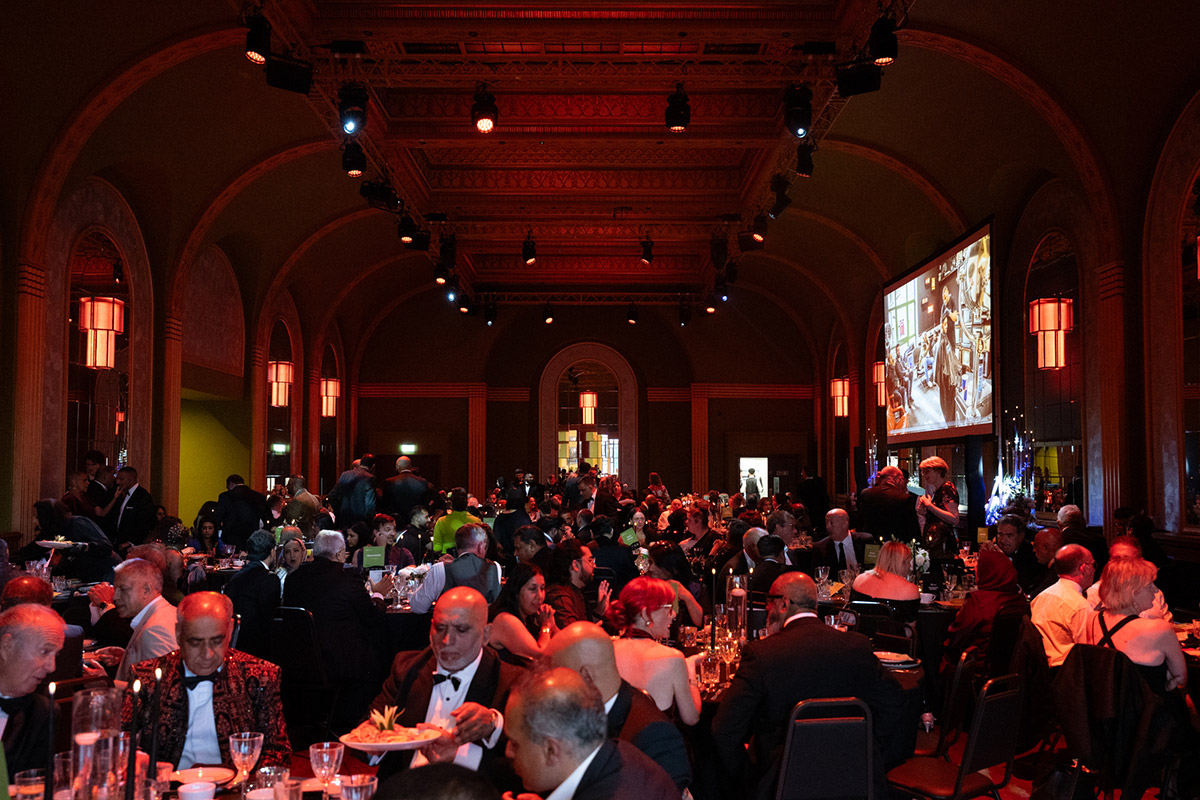
Product launches are pivotal moments for any company. Whether you’re unveiling a new tech solution, launching a consumer product or revealing a rebrand, the catering you provide sets the tone for the entire event. Yet many event managers and marketing teams approach catering selection with uncertainty, unsure what questions to ask, what timelines to follow or what realistic expectations look like.
This guide walks you through exactly what to expect when booking catering for your product launch, from initial planning through to post event evaluation. You’ll gain practical timelines, vendor selection criteria and contingency strategies that help you brief suppliers confidently and deliver a memorable, on brand experience.
The Scope: What Product Launch Catering Really Involves
Product launch catering extends far beyond simply ordering food. It’s a choreographed element of your event that influences guest experience, brand perception and even media coverage. Professional caterers for corporate events provide menu design, preparation, delivery, setup, service staff, equipment hire, dietary management and breakdown, all synchronised with your event schedule.
When you book corporate catering for a launch, expect your caterer to act as a collaborative partner. The best providers will ask detailed questions about your event format, guest profile, venue constraints and brand messaging. They’ll suggest service styles that complement your schedule, propose menus that reflect your company values and flag potential logistical challenges early.
A tech demo launch with interactive product stations requires different catering logistics than a sit down unveiling with keynote presentations. Grasping these nuances helps you set realistic expectations and select a caterer who truly understands launch event dynamics.
Timeline: When to Book and What Happens When
One of the most common questions is “when should I start looking for a caterer?” The answer depends on your guest count and event complexity, but a practical timeline for most product launches looks like this:
12 to 16 weeks before launch: Begin researching caterers, request initial proposals and check availability. For high profile launches or peak season events (September to December, May to June), book even earlier. Review our venues page to see how location impacts catering logistics.
8 to 10 weeks out: Conduct tastings with shortlisted caterers, finalise your menu and confirm dietary requirements processes. This is when you’ll discuss service style, staffing levels and equipment needs. Ask potential caterers about their experience with launch events specifically. A caterer skilled in fundraisers and charity events will bring transferable expertise in managing diverse guest needs.
6 weeks out: Confirm final guest numbers (with a realistic buffer), lock in your contract and arrange any necessary site visits. Your caterer should walk the venue with you to assess kitchen facilities, service access, power supply and storage.
2 to 3 weeks out: Provide confirmed dietary requirements, finalise timings and discuss contingency plans. Professional caterers will have backup plans for equipment failure, staff absence and last minute guest count changes.
Event week: Final confirmations, delivery schedules and staff briefings. On the day itself, your caterer should arrive early for setup, remain available throughout service and manage breakdown without disrupting your event flow.
This structured approach prevents the rushed decision making that often compromises quality. For more detailed planning guidance, explore 5 secrets to stress free catering at large corporate functions.
Menu Selection and Dietary Inclusivity
Your launch menu should reflect your brand whilst accommodating all guests comfortably. This means planning for dietary requirements from the outset, not treating them as afterthoughts.
Service Styles That Work for Launches
Canapé receptions work brilliantly for launches where networking is paramount. Guests can move freely whilst enjoying bite sized options like Cocktail Samosa, Pani Puri, Mozzarella Cheese Sticks and Chicken Tikka. Plan for 8 to 12 pieces per person for a 2 hour reception.
Buffet service suits product launches with presentations or demonstrations, allowing guests to eat at their own pace. Consider offering diverse main courses such as Chicken Tikka Masala, Karahi, Palak and Mixed Vegetables, complemented by Pilau Rice, Fattoush and Mediterranean Salad. This approach naturally accommodates various dietary preferences.
Plated service elevates formal launches and VIP events, though it requires precise headcounts and longer service times. It works particularly well when paired with keynote presentations.
For launches spanning multiple hours, consider progressive menus. Light canapés during product demonstrations, followed by a substantial buffet or plated meal. This keeps energy levels stable, as explored in 7 foods that keep delegates focused all day at conferences.
Managing Dietary Requirements
Professional caterers should have robust systems for managing allergens and dietary needs. Expect clear processes for:
- Collection methods: How they gather dietary information through RSVP forms, direct communication or venue liaison
- Labelling standards: Clear, visible labels for all buffet items, listing major allergens and dietary suitability (vegetarian, vegan, gluten free, halal)
- Separation protocols: Cross contamination prevention, separate preparation areas and dedicated serving utensils
- Staff knowledge: Service staff fully briefed on ingredients and able to answer guest queries confidently
- Contingency portions: Extra portions of common dietary alternatives maintained as standard
Request allergen matrices and ingredient lists during your tasting phase. This documentation demonstrates the caterer’s attention to food safety and compliance with UK food information regulations.
Selecting Your Caterer: Questions That Reveal Quality
Not all caterers are created equal, and product launches demand suppliers who grasp corporate professionalism, brand alignment and flawless execution. Use these criteria to evaluate potential partners.
Operational Excellence
Ask about food safety certifications. HACCP compliance should be standard. Enquire about staff training programmes, particularly for allergen awareness and customer service. Check their insurance coverage, including public liability (minimum £5 million) and employer’s liability.
Request references from recent corporate clients, ideally from similar scale launch events. A caterer experienced in corporate catering in Leeds, Bradford or Manchester will know regional venue networks and logistical nuances.
Tasting and Customisation
Reputable caterers offer tastings as standard for events over a certain size (typically 50+ guests). This isn’t just about food quality. It’s your opportunity to assess presentation, portion control and the caterer’s receptiveness to feedback.
During tastings, evaluate whether the caterer can adapt menus to your brand story. If you’re launching a sustainable product, can they propose locally sourced ingredients and minimal waste presentation? If your brand emphasises innovation, can they suggest creative food stations or interactive elements?
Transparency and Communication
Clear, itemised quotes signal professionalism. Avoid caterers who provide vague estimates or resist breaking down costs. Similarly, assess their communication style. Do they respond promptly, ask insightful questions and proactively suggest solutions?
Discuss their contingency planning. What happens if a key supplier fails to deliver? How do they handle equipment breakdown or staff absence? Professional caterers have documented backup plans for common scenarios.
For more detailed vendor selection guidance, visit our team page to see the expertise behind professional catering operations, or explore our FAQs for answers to common questions.
Sustainability and Brand Values
Modern product launches increasingly reflect corporate values around sustainability, inclusivity and social responsibility. Your catering offers a tangible demonstration of these commitments.
Sustainable sourcing: Ask caterers about their supply chains. Do they prioritise local suppliers, seasonal ingredients and sustainable seafood? Can they provide provenance information for key ingredients?
Waste reduction: Professional caterers should have strategies for minimising food waste through accurate portion control, donation partnerships with food banks and composting programmes. Enquire about their approach to single use plastics and packaging.
Inclusive menus: Beyond managing dietary requirements, consider cultural and religious inclusivity. Menus featuring options like Halal certified meat dishes, clearly labelled vegetarian and vegan selections, and diverse flavour profiles signal respect for all guests.
Ethical employment: Ask about staff employment practices, fair wages and training opportunities. Caterers who invest in their teams typically deliver better service.
These factors increasingly influence purchasing decisions, particularly among B2B audiences and socially conscious consumers. Learn more about how catering aligns with corporate values on our about page.
Logistics and On the Day Coordination
Even the finest menu falls flat without seamless execution. Expect your caterer to coordinate closely with your event team and venue on these critical logistics.
Access and setup: Confirm delivery times, loading access, kitchen facilities and setup duration. Urban venues often have restricted access windows and freight lift schedules that require advance coordination.
Service flow: Map out the event timeline in detail. When do guests arrive, when does the presentation start, when should food service begin and conclude? Your caterer should align their service rhythm with your event beats, not the other way around.
Staffing ratios: For canapé service, expect one server per 20 to 25 guests. Buffet service typically requires one service staff member per 30 to 40 guests, plus dedicated staff for drinks service. Plated service demands higher ratios of one server per 10 to 15 guests.
Breakdown and departure: Professional caterers remove all equipment, dispose of waste appropriately and leave the venue in its original condition. Confirm departure timing to avoid disrupting your event’s closing moments or conflicting with venue requirements.
Communication protocol: Establish a single point of contact on both sides for event day coordination. This person should have decision making authority to handle last minute changes or challenges.
Risk Management and Contingency Planning
Product launches often involve significant financial investment and reputational stakes. Robust contingency planning mitigates risks.
Weather considerations: For outdoor or marquee launches, discuss the caterer’s wet weather protocols. Do they have covered service areas? How do they protect food displays from wind or rain?
Guest number fluctuations: Agree on cut off dates for final numbers and the caterer’s policy for managing increases or decreases. Most professional caterers build a 5 to 10% buffer into their planning.
Dietary emergencies: Ensure the caterer has systems for handling guests with unexpected dietary needs or allergic reactions. Staff should know how to respond to medical emergencies and have clear communication lines with event first aiders.
Supply chain disruption: What alternative products or suppliers can the caterer access if primary ingredients become unavailable? This became particularly relevant during recent supply chain challenges affecting the hospitality sector.
Equipment failure: Backup equipment, particularly for refrigeration and hot holding, should be part of the caterer’s standard practice. Ask about their contingency plans during initial briefings.
Post Event Evaluation and Relationship Building
The relationship with your caterer shouldn’t end when guests depart. Professional suppliers will seek feedback, provide post event reports and use learnings to improve future service.
Request a brief debrief call within a week of your launch. Discuss what worked well, what could improve and any unexpected challenges. This information proves invaluable for future events and helps caterers refine their offering.
Consider maintaining relationships with high performing caterers for your broader event calendar. Caterers who know your brand, preferences and standards deliver increasingly better results over time. They become trusted partners who anticipate needs and suggest proactive solutions.
Share feedback through appropriate channels, whether that’s online reviews, testimonials or professional recommendations. The catering industry relies heavily on reputation and word of mouth, and your honest feedback helps other event managers make informed decisions.
Taking the Next Step
Booking catering for your product launch needn’t be daunting. With clear expectations around timelines, vendor selection criteria and logistical planning, you can approach the process confidently and secure a catering partner who elevates your event.
Professional caterers bring far more than food. They contribute expertise in event flow, guest experience, dietary management and operational excellence. Look for partners who demonstrate transparency, ask insightful questions, provide documented processes and share your commitment to quality and inclusivity.
Ready to start planning your product launch catering? Contact us to discuss your requirements, request a tailored proposal or arrange a tasting. Our experienced team grasps the unique demands of corporate launch events and brings proven expertise in delivering memorable, stress free catering that complements your brand story and delights every guest.
For more insights on corporate catering excellence, explore 10 corporate catering ideas that always impress clients and teams and discover how professional catering partnerships transform product launches from standard corporate events into memorable brand experiences.