
What Really Happens Behind the Scenes at a 300 Guest Wedding Dinner
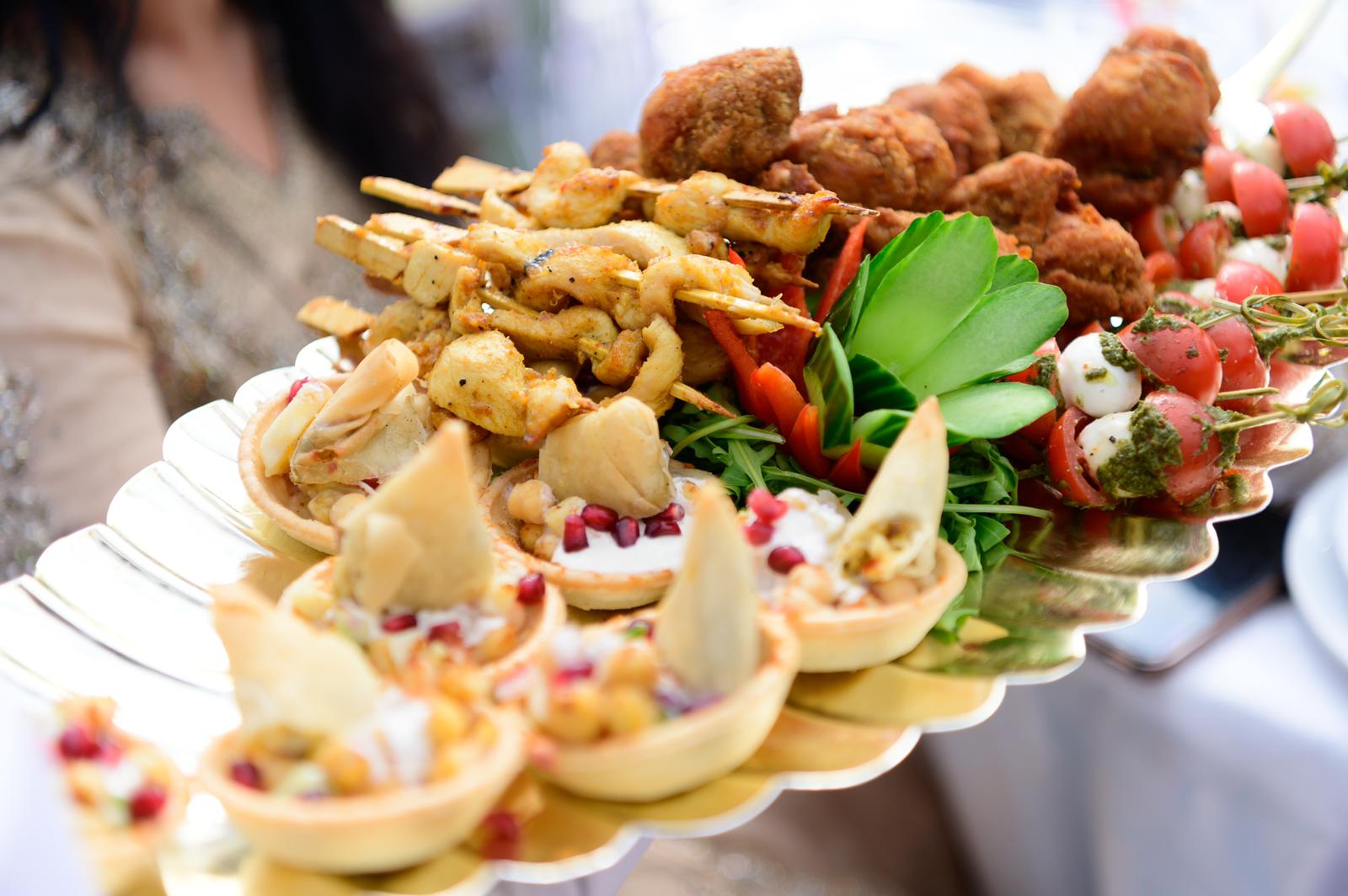
Ever wondered what’s actually going on whilst you’re enjoying your wedding breakfast? Spoiler alert: there’s an entire choreographed operation happening that you’ll never see. When 300 guests sit down to dinner, the behind the scenes coordination rivals a West End production. Let’s pull back the curtain and show you exactly what makes it all work.
Understanding what happens backstage at a 300 guest wedding isn’t just fascinating, it’s genuinely useful. Whether you’re planning your own large celebration or simply curious about the logistics, knowing how the magic happens helps you make better decisions and set realistic expectations.
How Many Staff Does a 300 Guest Wedding Actually Need?
Here’s the thing nobody tells you until you’re deep into planning. The staff to guest ratio for a wedding of this size is roughly 1:15 to 1:20 for front of house service. That means you’re looking at 15 to 20 waiters just for table service, clearing, and drinks.
But that’s just the start. Behind the scenes, you need kitchen staff, porters, a venue manager, bar staff, and coordinators keeping everything moving. For a typical 300 guest dinner at our wedding venues, we typically deploy around 35 to 40 staff members total. That’s more people than some couples have at their entire wedding.
What Roles Are Essential for Large Wedding Catering?
Let’s break down who’s actually doing what whilst you’re celebrating. At the top, you’ve got an event manager orchestrating the whole operation. Think of them as the conductor of an orchestra, making sure every section comes in at exactly the right moment.
In the kitchen, you need a head chef, sous chefs for different stations, prep cooks, and kitchen porters managing the constant flow of dishes in and out. For wedding catering for 300 guests, our kitchen brigade typically includes 12 to 15 people working in coordinated stations.
Front of house, you’ve got waiting staff, drinks runners, plate clearers, and a maître d’ managing service flow. Each role is specific and essential. The person delivering your main course isn’t the same person clearing your starter, and there’s good reason for that efficiency and timing.
How Do Teams Coordinate Without Guests Noticing?
This is where it gets really interesting. Communication happens through discreet headsets, visual cues, and precisely timed sequences that have been rehearsed. When you see 300 plates of hot food arrive at tables within a five minute window, that’s not luck. That’s a carefully choreographed operation where plating, carrying, and delivery happen in waves.
Our team uses a station system. Tables are divided into sections, each assigned to specific servers who know exactly when to move. The kitchen plates in batches timed to service waves, so food isn’t sitting under heat lamps losing quality. Meanwhile, the event manager is tracking everything against a detailed run sheet, adjusting in real time if speeches run long or the first dance happens early.
What Does the Actual Timeline Look Like?
Let’s walk through a realistic timeline for a 300 guest wedding dinner, because understanding the flow helps explain why things are scheduled the way they are.
Two Hours Before Service: Kitchen prep hits full intensity. Final elements are being prepared, holding equipment is set up, and the brigade starts plating rehearsals to ensure timing is spot on. Front of house staff are doing table checks, ensuring every place setting is perfect, water glasses are filled, and the room looks flawless.
One Hour Before: The calm before the storm. Final briefings happen. The event manager walks through the timeline with all staff, confirming any last minute changes. Special dietary requirements are triple checked. The kitchen begins firing first course elements that need precise timing.
Service Begins: Guests are seated, and the operation kicks into gear. Starters typically take 30 to 40 minutes to serve and clear for 300 guests. That’s three to four waves of service, each section getting their plates in sequence.
Between Courses: This is where the magic really happens. Whilst guests chat between starter and main, the kitchen is in controlled chaos, plating 300 mains simultaneously. Dirty plates are being cleared, washed, and restacked. Tables are being crumbed. Drinks are being refreshed. All of this happens invisibly, with military precision.
Main Course: Takes roughly 45 to 60 minutes including service and eating time. Again, this happens in coordinated waves. The first section served isn’t left waiting ages before eating, but equally, the last section isn’t rushing whilst others finish.
Dessert and Beyond: Another 30 to 40 minutes. By this point, the kitchen is simultaneously serving dessert, beginning breakdown of earlier stations, and preparing any evening food elements. The coordination required is genuinely impressive.
What Are the Biggest Challenges in Large Wedding Logistics?
Let’s be honest about what can go sideways and how experienced teams handle it. Understanding these challenges helps you choose the right caterers and set realistic expectations.
How Do You Handle Timing When Speeches Overrun?
This happens at pretty much every wedding. Uncle Dave’s speech was meant to be five minutes but he’s 15 minutes in with no signs of stopping. Meanwhile, you’ve got 300 plated mains getting cold or desserts warming up backstage.
Experienced event managers build buffer time into the schedule and have contingency plans. Hot food can be held properly for a while, or service can be paused and restarted. The key is communication between whoever’s managing the timeline up front and the kitchen. At venues like The Marquee Manchester, we’re constantly adapting the schedule in real time without guests noticing.
What Happens When Dietary Requirements Change Last Minute?
Someone forgot to mention their nut allergy. A guest who RSVP’d as vegetarian is actually vegan. Three extra guests showed up unexpectedly. These scenarios happen constantly, and good caterers have systems for handling them.
All our food is prepared to halal standards and we maintain robust procedures for dietary variations. We always prepare extra portions of key dietary requirement meals because we know last minute changes are inevitable. The key is having separate prep areas, clear labelling systems, and staff who know exactly which plates go where.
For more guidance on avoiding these issues, check out our article on common wedding catering mistakes.
How Is Temperature Control Maintained for 300 Plates?
This is genuinely one of the hardest aspects of large scale catering. Food needs to be served hot but not overcooked from sitting. Cold elements need to stay cold but not frozen.
Professional kitchens use holding equipment, blast chillers, and strategic timing. Dishes are plated in sequence, not all at once. Hot elements are added last. Service staff move quickly but calmly, ensuring food travels from kitchen to table in minutes, not sitting on counters. It requires significant investment in equipment and extensive staff training, which is why choosing experienced caterers really matters.
How Much Does Behind the Scenes Excellence Actually Cost?
Let’s talk numbers, because understanding costs helps you budget properly and appreciate what you’re actually paying for when you hire professional caterers for 300 guests.
Our wedding packages for The Marquee Manchester start at £40 per person for the Bliss package. For 300 guests, that’s £12,000 before any extras. The Platinum package at £65 per person comes to £19,500 for 300 guests. That might sound steep until you understand what’s included.
You’re not just paying for food. You’re paying for that team of 35 to 40 experienced professionals. The industrial kitchen equipment. The coordination systems. The event manager who’s done this hundreds of times. The contingency planning. The insurance. The risk management. The quality control at every stage.
What Hidden Costs Should Couples Budget For?
Beyond the per person catering cost, consider these elements that impact large weddings. Extended service time costs extra staff hours. Complex dietary requirements may need additional charges if they’re extensive. Upgrades like live cooking stations, premium drinks packages, or late night food add up.
Be realistic about numbers. It’s tempting to say “around 300” but caterers need firm numbers seven days before for ordering and staffing. Changes after that point usually incur surcharges because ingredients have been ordered and staff scheduled.
When you request a wedding quote, ask specifically about what’s included, what costs extra, and what the payment timeline looks like. Transparency at this stage prevents nasty surprises later.
What Creates a Flawless Guest Experience?
From a guest’s perspective, excellent service looks effortless. They never see the coordination happening, never notice the careful timing, never realise how many people are working to make their experience seamless. That’s exactly the point.
Why Does Attention to Detail Matter at Scale?
When you’re serving 300 people, small details multiply. One missing fork is annoying. Thirty missing forks is a disaster. One poorly timed course is unfortunate. An entire section waiting 20 minutes longer than others is unacceptable.
Luxury wedding catering at scale requires obsessive attention to detail. Every table setting checked. Every dietary requirement triple confirmed. Every serving temperature monitored. Every timing cue coordinated. It’s this relentless focus that creates those effortlessly elegant experiences guests remember.
How Do Interactive Elements Work for Large Groups?
Current wedding food trends favour interactive elements like live cooking stations, mocktail bars, and DIY dessert setups. These work brilliantly for large weddings because they provide entertainment, manage service flow, and give guests choice.
Our live Chana Chaat stations are hugely popular for 300 guest weddings. Rather than trying to serve 300 plated starters simultaneously, guests visit the station over 30 minutes, watching their portion prepared fresh. It creates theatre, manages queues naturally, and ensures everything’s fresh.
Similarly, mocktail stations and chai bars provide gathering points that encourage mingling whilst managing drink service more efficiently than trying to keep 300 glasses constantly topped up at tables.
How Can Couples Support Smooth Operations?
You’re not expected to manage logistics on your wedding day, but certain decisions during planning make everyone’s job easier and your day more enjoyable.
Provide accurate numbers early and update promptly if they change. Be clear about dietary requirements, and collect this information systematically when guests RSVP. Share your vision and priorities with your catering team so they understand what matters most to you.
Trust your vendors’ expertise on timing. If they say dinner service will take two hours, believe them. Don’t try to squeeze it into 90 minutes because the schedule looks better. You’ll just create stress and compromise quality.
Create a realistic run sheet and share it with all vendors. Include buffer time for delays because something always runs slightly late. For templates and detailed guidance, visit our tips on enjoying every moment.
Consider hiring a day of coordinator if your venue doesn’t provide one. Having someone managing timeline, coordinating vendors, and handling issues means you never have to think about logistics. You can be fully present celebrating whilst someone ensures everything runs smoothly.
What Questions Should You Ask Potential Caterers?
When evaluating caterers for your 300 guest wedding, these questions reveal whether they have genuine experience with events this size.
How many staff will you provide, and what are their specific roles? Can you walk me through the typical timeline for service? How do you handle last minute dietary changes or unexpected guest numbers? What backup plans do you have if equipment fails or suppliers let you down?
What’s your communication system on the day? How do you coordinate with other vendors? Can we see references from recent large weddings you’ve catered?
Visit our FAQs for more detailed guidance on choosing caterers. And if you’re considering venues beyond our own, our destination weddings team can help coordinate catering for celebrations anywhere.
The Reality Behind Seamless Service
Here’s the truth about what happens behind the scenes at a 300 guest wedding dinner. It’s organised chaos that looks like calm elegance. It’s dozens of people working in perfect synchronisation. It’s years of experience condensed into a few hours of flawless execution.
Understanding this reality helps you appreciate why experienced caterers cost what they do. It helps you make better decisions about where to invest your budget. It helps you set realistic expectations and timelines. Most importantly, it helps you relax and trust that whilst you’re celebrating, talented professionals are handling every detail.
Whether you’re planning at The Marquee Manchester, the Leeds Events Lounge, or another venue entirely, the principles remain the same. Great catering for 300 guests requires expertise, coordination, proper staffing, and meticulous attention to detail.
Looking for more inspiration? Explore current wedding trends and décor ideas that complement exceptional catering. Or browse our canapé ideas for starting your celebration strong.
Your 300 guest wedding deserves catering that makes it look easy whilst executing flawlessly. Ready to start planning?
Get in touch with us and let’s create a celebration where everything runs smoothly, your guests are delighted, and you can simply enjoy being present for every magical moment.